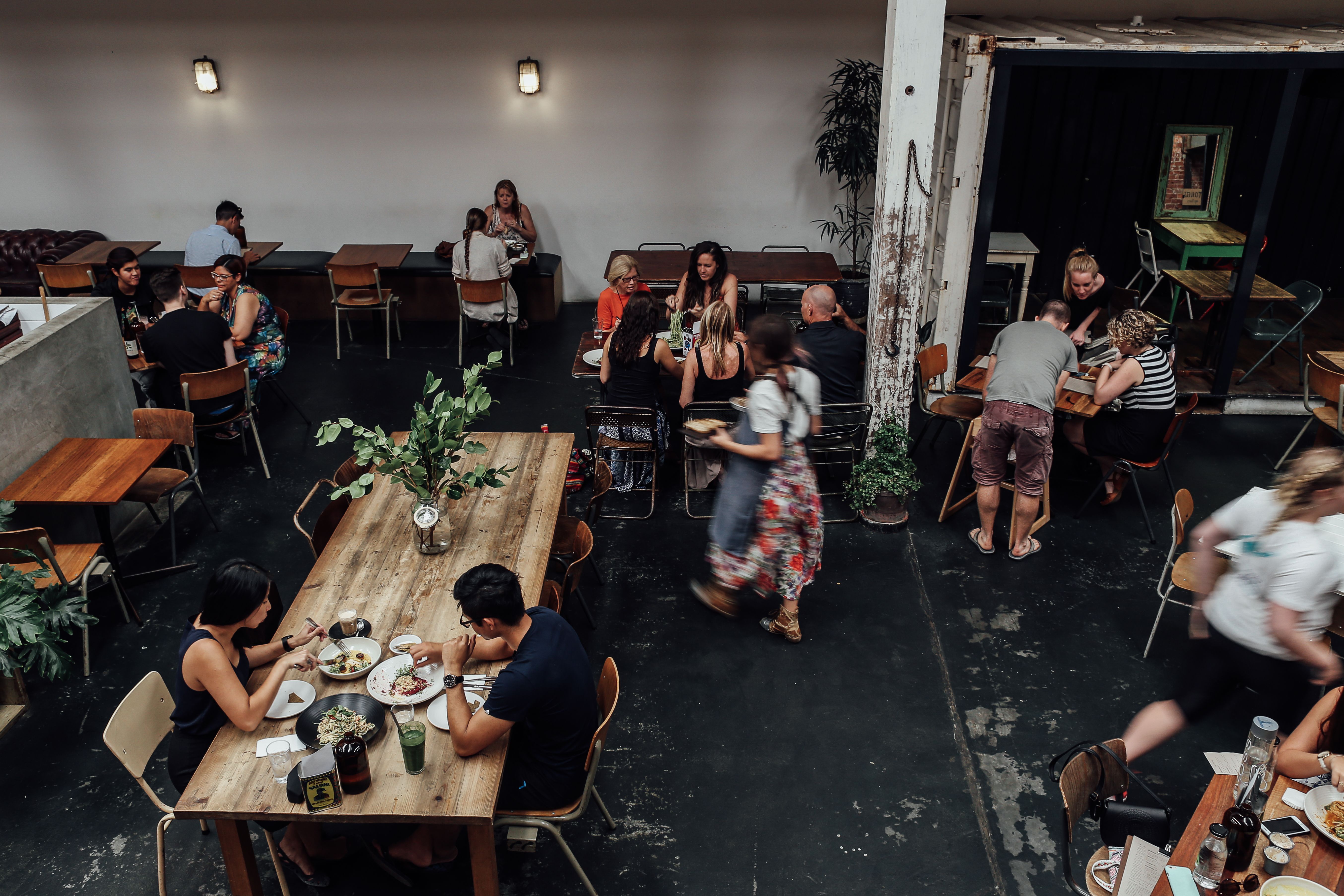
Think your restaurant is just busy? It could be a sign you've outgrown your current operations.
As your business grows, longer wait times, overwhelmed staff, and recurring order mistakes can become part of the daily routine, but they shouldn't be.
These aren't just growing pains; they're often signs that your current processes are no longer keeping pace with your restaurant.
Upgrading doesn't always mean renovating your space or expanding your menu. Sometimes, the biggest improvements come from refining how your restaurant operates. Here are seven signs it may be time to take the next step.
1. Your team is busy, but productivity isn’t improving.
A busy dining room is a good problem to have. But only if your team can keep up with it.
As restaurants grow, it's common for staff to spend more of their shift juggling routine tasks: carrying menus, taking orders by hand, answering the same questions, or relaying information between the dining room and the kitchen. None of these tasks are difficult on their own, but together they create friction that pulls attention away from what matters most—your guests.
The goal isn't to make your team work harder. It's to make it easier for them to deliver consistently great service.
2. Peak hours feel more chaotic than profitable.
Every restaurant expects the lunch rush or dinner service to be busy. The question is whether those busy periods still feel manageable.
If long waits, delayed orders, and communication breakdowns become part of every lunch rush or dinner service, your restaurant may have outgrown its current workflow. Small delays rarely stay small. They ripple through the dining experience, slowing table turnover, affecting service quality, and limiting how many guests you can serve.
See also: Why Restaurants Lose Money During Peak Hours (And How to Stop It)
3. Order mistakes are becoming more common.
The occasional mistake is inevitable in any restaurant. When those mistakes become routine, however, they're often pointing to a larger operational issue.
A missed modifier. A forgotten drink. An order entered incorrectly. Individually, they're minor inconveniences. Collectively, they slow service, increase food waste, and chip away at the customer experience.
Many restaurants discover that improving communication between the dining room and the kitchen has a greater impact than simply adding more staff. A reliable food ordering system or order management system can support that communication by helping orders move more accurately from guests to the kitchen.
4. You're spending more time managing problems than growing.
Running a restaurant will always involve solving problems. But if every shift feels like you're putting out fires instead of moving the business forward, it's worth asking why.
Perhaps you're stepping in to take orders because the dining room is backed up. Maybe you're answering the same questions from staff every day, or resolving issues that seem to repeat themselves week after week. These moments often feel like part of the job, but they can also be signs that your restaurant has outgrown the way it operates.
Growth shouldn't require the owner to become the bottleneck. The best systems give your team the confidence to make decisions, communicate clearly, and keep service moving—even when you're not on the floor.
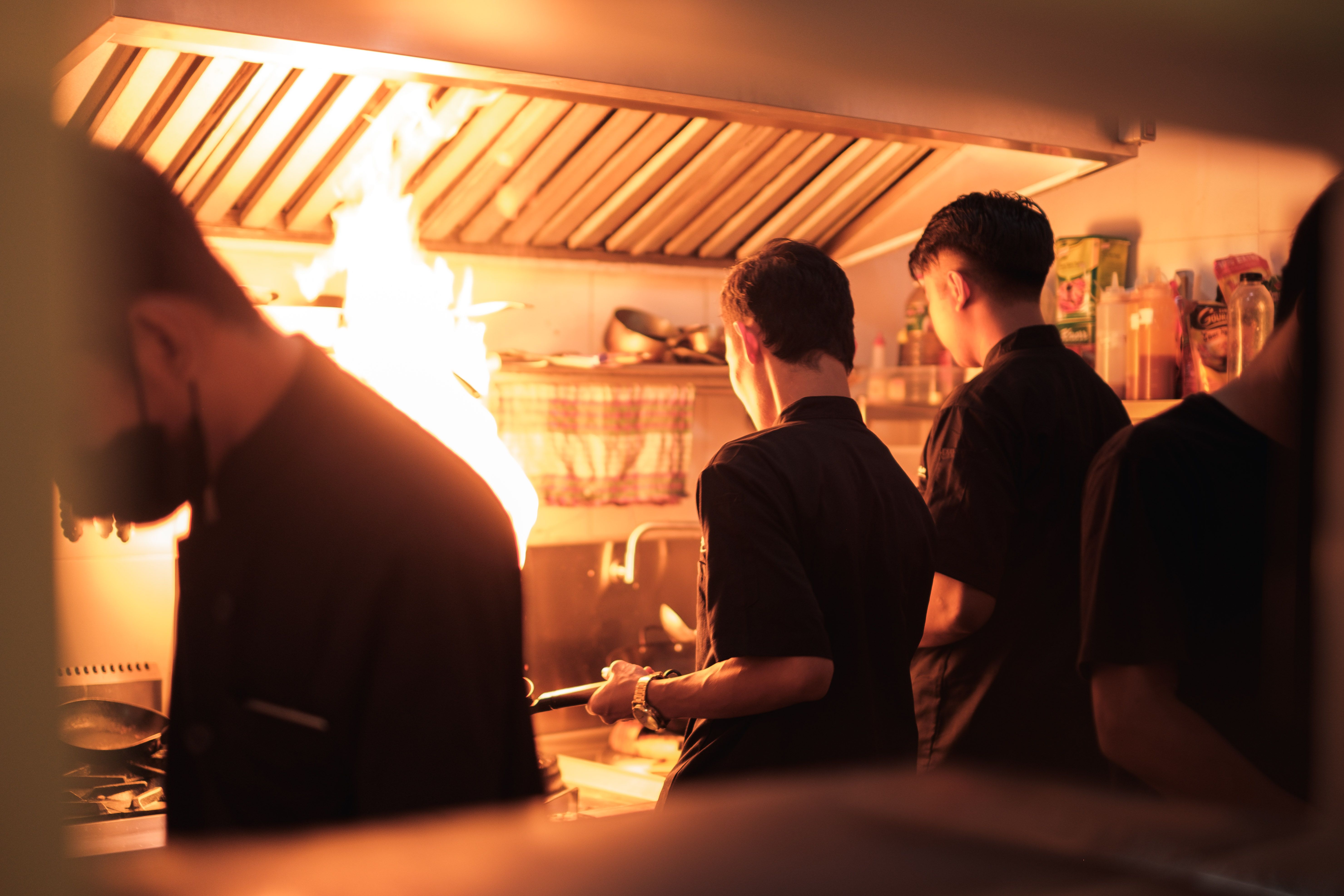
5. You don’t have clear visibility into your operations.
The best restaurant owners don't rely on instinct alone. They pay attention to the numbers that tell the story behind the service.
Do you know which hours are genuinely your busiest? Which menu items drive the highest sales? How quickly your tables turn over? Or how your average order value changes from weekday lunches to weekend dinners?
Having this visibility makes it easier to spot opportunities before they become problems. Instead of reacting to yesterday's service, you can make informed decisions that improve tomorrow's.
6. Your customers expect more convenience.
Customer expectations have changed.
Today's diners are comfortable browsing a QR code menu, placing orders from their phone, and receiving faster service without waiting for staff availability. Convenience has become part of the dining experience—not a bonus feature.
The best technology removes friction from the dining experience instead of adding to it.
7. Growth is becoming harder to manage.
Growth is something every restaurant hopes for. But growth also has a way of exposing the limits of yesterday's processes.
Whether you're adding more tables, expanding your menu, or opening another location, the systems that worked when you were smaller may no longer be enough. Choosing restaurant technology that can scale alongside your business helps ensure you're building for the future—not constantly catching up to it.
See also: Choosing the Right Restaurant Technology
KEY TAKEAWAY
Upgrade Your Operations, Not Just Your Technology
The right time to upgrade your restaurant isn't determined by your size or the number of years you've been in business. It's the moment your everyday processes begin holding your team back instead of helping them move forward.
Sometimes the answer is a better workflow. Sometimes it's clearer communication. Sometimes it's adopting a restaurant management system, restaurant point of sale system, or QR code menu that removes unnecessary friction from the customer journey.
Whatever form it takes, the goal remains the same: create an operation that's easier to run, a better experience for your customers, and a stronger foundation for the next stage of your restaurant's growth.
You run the business. Table Buddy runs the orders.
Speed up the service with Table Buddy, the QR ordering system built for Philippine restaurants and cafés.
- — Scan. Order. Pay. All from the table.
- — Orders go straight to the kitchen.
- — Fewer order errors, faster table turns.
- — Built by Filipinos, for PH restaurants and cafés.