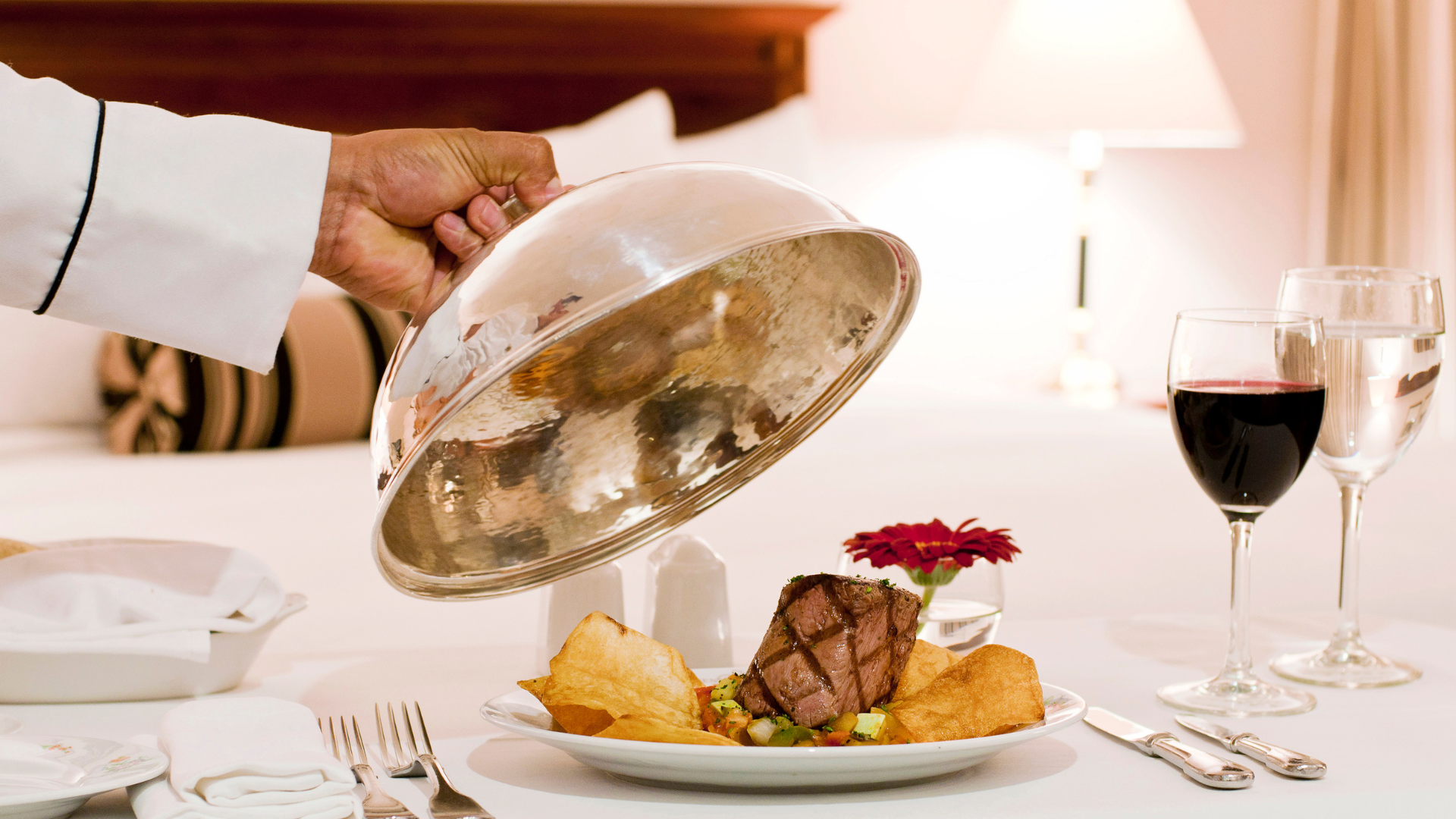
Room service is supposed to be one of the simpler pleasures of staying in a hotel. For the hotel, the experience is rarely quite so simple.
Managing room service with limited staff often means fitting those orders into everything else the team is already responsible for. A phone rings while someone is assisting a guest at the front desk. An order has to be relayed to the kitchen while another staff member arranges a guest’s spa appointment. During breakfast service or a particularly busy evening, even a small number of incoming requests can begin competing for attention. Wash and repeat this stress enough times and staff burnout becomes inevitable.
The challenge, then, is not simply how to serve more guests. It is how to stop every order from creating another manual task.
That is where a better room service system can make a difference.
ROOM SERVICE SHOULDN'T ADD TO THE CHAOS
Give guests an easier way to browse, order, and request services, while giving your team one clearer view of what needs to happen next.
The traditional room service phone call has a built-in inefficiency: it requires both the guest and a member of staff to be available at the same time. Before an order can even reach the kitchen, someone has to answer, listen, clarify the details, and communicate the request to the next person.
That may not seem particularly burdensome when the hotel is quiet. The problem becomes more apparent when the team is already stretched.
A digital room service system changes where that process begins. Instead of calling to ask for a menu or waiting for someone to take an order, guests can scan a QR code or access a digital ordering page from their room. The menu is already there. So are the available options and relevant details. Once an order is submitted, the team receives the information in a more structured format.
The benefit is practical: fewer interruptions, less back-and-forth, and a clearer starting point for every request.
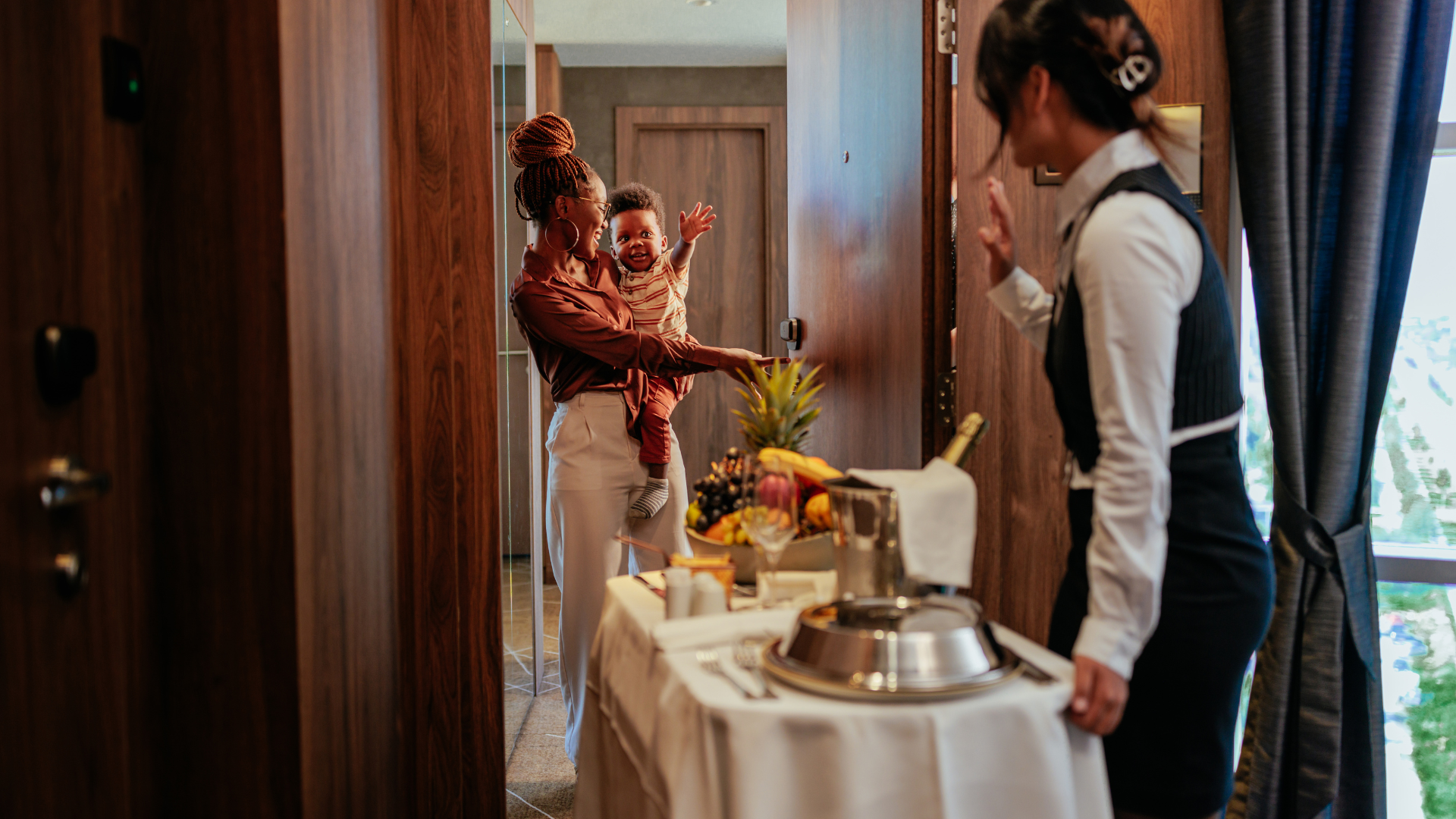
A Hotel Ordering System Can Go Beyond In-Room Dining
For hotels, room service is also rarely the only request guests need to make.
A guest may want to book a massage, browse available amenities, order food, or access other services offered by the property. When each of these requires a different phone call, staff member, or process, the guest experience can become unnecessarily complicated, and the workload becomes harder to manage.
A hotel ordering system can bring these services into one accessible digital experience. Guests can browse what is available and submit requests without having to navigate multiple departments just to get started.
For hotel managers, this also creates a clearer view of incoming activity. Instead of relying entirely on verbal handoffs or scattered messages, teams can manage requests from a centralized system and track what still requires attention.
That matters when staffing is limited. A small team does not necessarily need more ways to communicate. It needs fewer opportunities for information to get lost.

Start With the Requests You Already Manage
Improving hotel room service does not necessarily require reinventing the entire operation.
Start with the moments that repeatedly demand staff attention. How do guests currently find the room service menu? How are orders communicated to the kitchen? Where do spa or amenity requests go? Which requests require staff to repeat information that could already be available to the guest?
Those answers can reveal where a digital ordering system would have the greatest impact.

Your Guests Move Around Your Hotel. Their Ordering Experience Should Too.
Guests move from their rooms to the pool, spa, restaurant, and beyond. Their ordering experience shouldn't have to change with every location.
With one digital ordering experience, guests can browse, order, and access hotel services wherever they are, while your team manages requests through a more consistent system.
The location changes. The experience stays simple.
For hotels managing room service with limited staff, ordering software can provide a more organized way to handle in-room dining, dinner reservations, spa appointments, and other hotel amenities through a single digital experience. Guests get a clearer path to the services they need, while teams gain a more manageable way to receive and fulfill those requests.
The best system does not ask a small team to work faster at an inefficient process. It gives them a better process to work with.