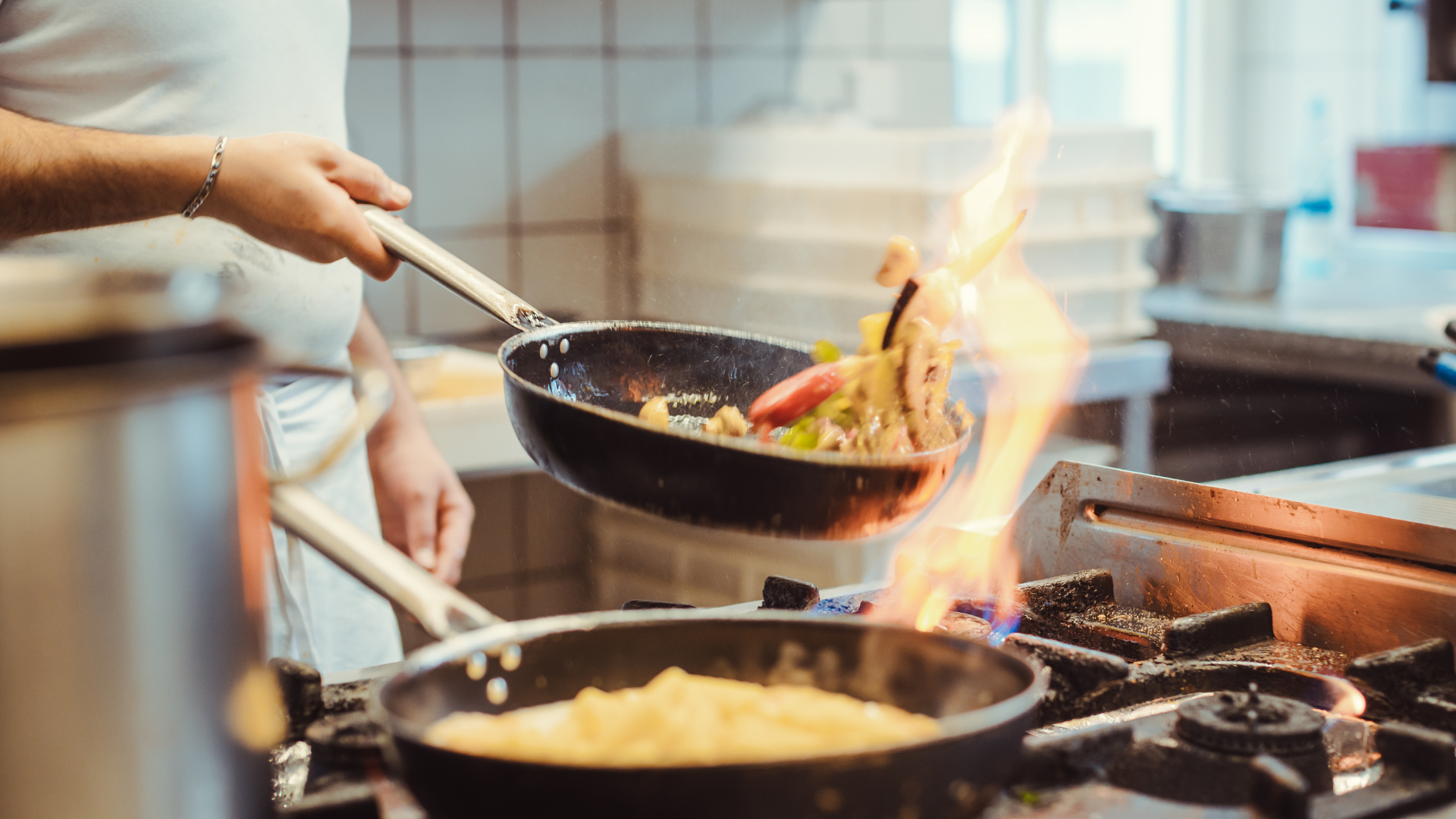
A full dining room, a kitchen running at capacity, and servers moving from table to table should signal a healthy restaurant. Yet customers are still waiting. Orders take too long, food arrives late, and someone eventually asks, “Can we get the bill?”
When restaurant service is slow, hiring more staff seems like the obvious solution. But if the problem lies in how orders are taken, prepared, communicated, or paid for, adding people may only make an inefficient process more expensive.
The first step to improving restaurant service is to find where the delay begins, not simply ask everyone to work faster.

1. Taking orders takes longer than it should
A server may spend several minutes explaining menu items, checking availability, writing down customizations, and entering the same order into another system. Multiply that across a busy dining room, and small delays add up.
WHAT TO DO:
Look for repeated questions, long queues at the ordering terminal, and orders that need correcting. Clearer menu descriptions, organized modifiers, and direct digital order capture can reduce unnecessary back-and-forth.
2. The kitchen receives orders faster than it can prepare them
A kitchen can have enough cooks and still struggle with timing. One station may be overloaded while another has spare capacity. Missing ingredients, complicated preparations, and unclear ticket priorities can leave orders waiting before cooking even begins.
WHAT TO DO:
Track kitchen ticket time, the time between an order reaching the kitchen and the food being ready. Compare busy and quiet periods, and look for dishes or stations that consistently fall behind.
3. Your menu creates unnecessary complexity
A large menu offers variety, but every additional dish can introduce ingredients, preparation steps, equipment demands, and opportunities for mistakes.
WHAT TO DO:
Review items that take unusually long to prepare, require ingredients used nowhere else, or generate frequent substitutions. Rather than cutting choices indiscriminately, identify which dishes create disproportionate operational work.
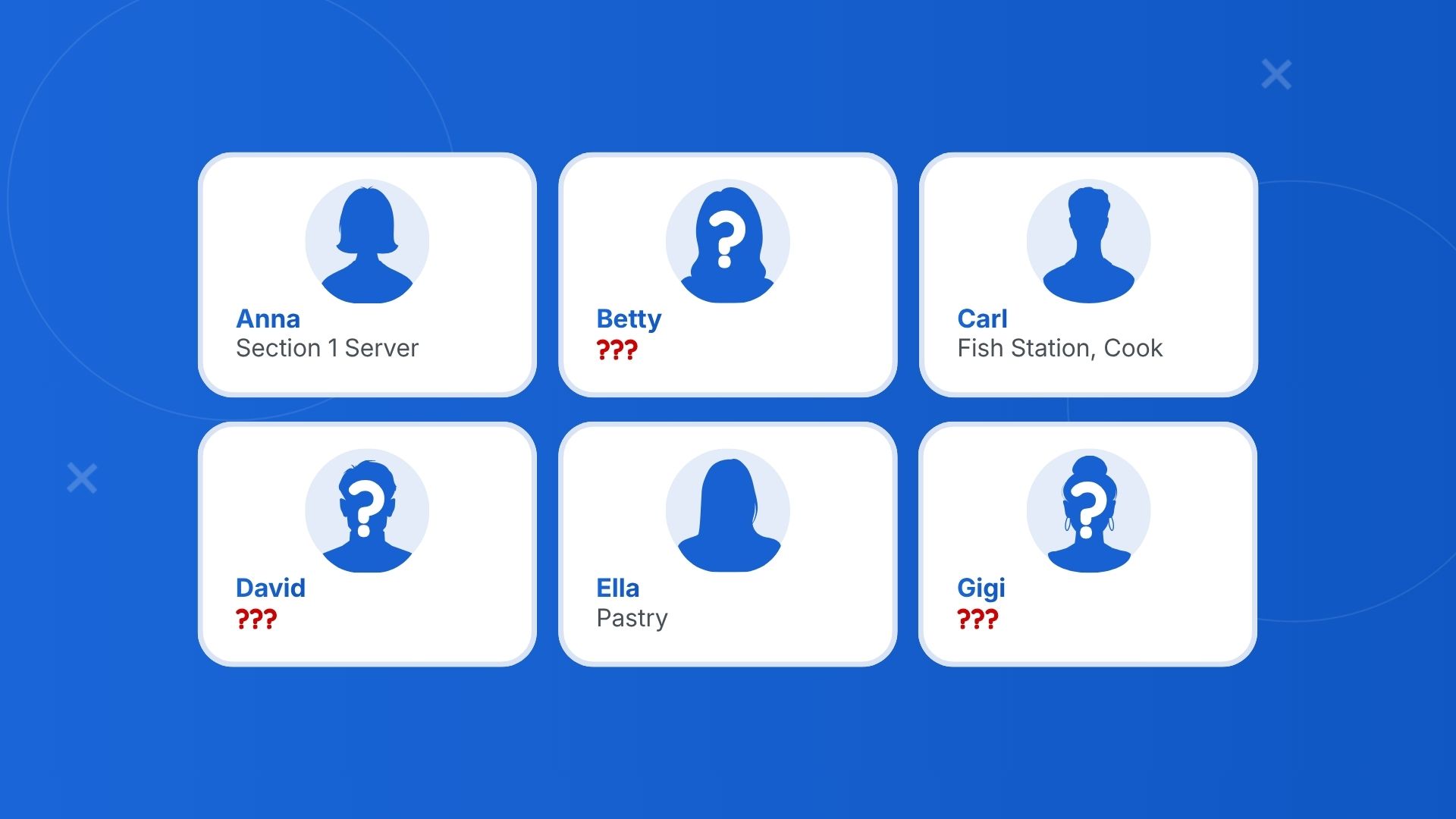
4. Staff responsibilities aren't clearly defined
When everyone is responsible for everything, important tasks can fall through the cracks. Two employees might handle the same request while another table waits for someone to take its order.
WHAT TO DO:
Establish clear ownership for greeting guests, taking orders, running food, clearing tables, and handling payments. During peak hours, define who covers each task and how responsibilities transfer when someone needs help.

5. Payment becomes the final bottleneck
Service doesn't end when the food arrives. Guests may finish their meals promptly but wait several more minutes for the bill, a payment terminal, or a split-check calculation.
Track the time between a guest requesting the bill and completing payment. Clear payment procedures, accessible payment options, and fewer unnecessary handoffs can make the end of the meal smoother.
THE BIG IDEA
Fix the Process Before Adding More Staff
For one busy shift, record when orders are placed, received by the kitchen, marked ready, served, and paid for. Compare the timestamps with what guests and staff report.
You don't need sophisticated software to begin. A simple log can reveal whether the delay comes from order-taking, kitchen capacity, communication, or checkout. If the same problem appears repeatedly, investigate that stage before changing the entire operation.
Technology can help when the process itself creates friction. Digital menus and QR ordering, for example, let guests browse and submit orders without waiting for a server. Order-management tools can also make it easier to track incoming orders and coordinate service, depending on how the system is configured.
But these systems are only the means to your goal. A restaurant where orders move smoothly and staff know what to do next is a restaurant where service becomes faster, and guests spend less time waiting for things that should happen naturally.