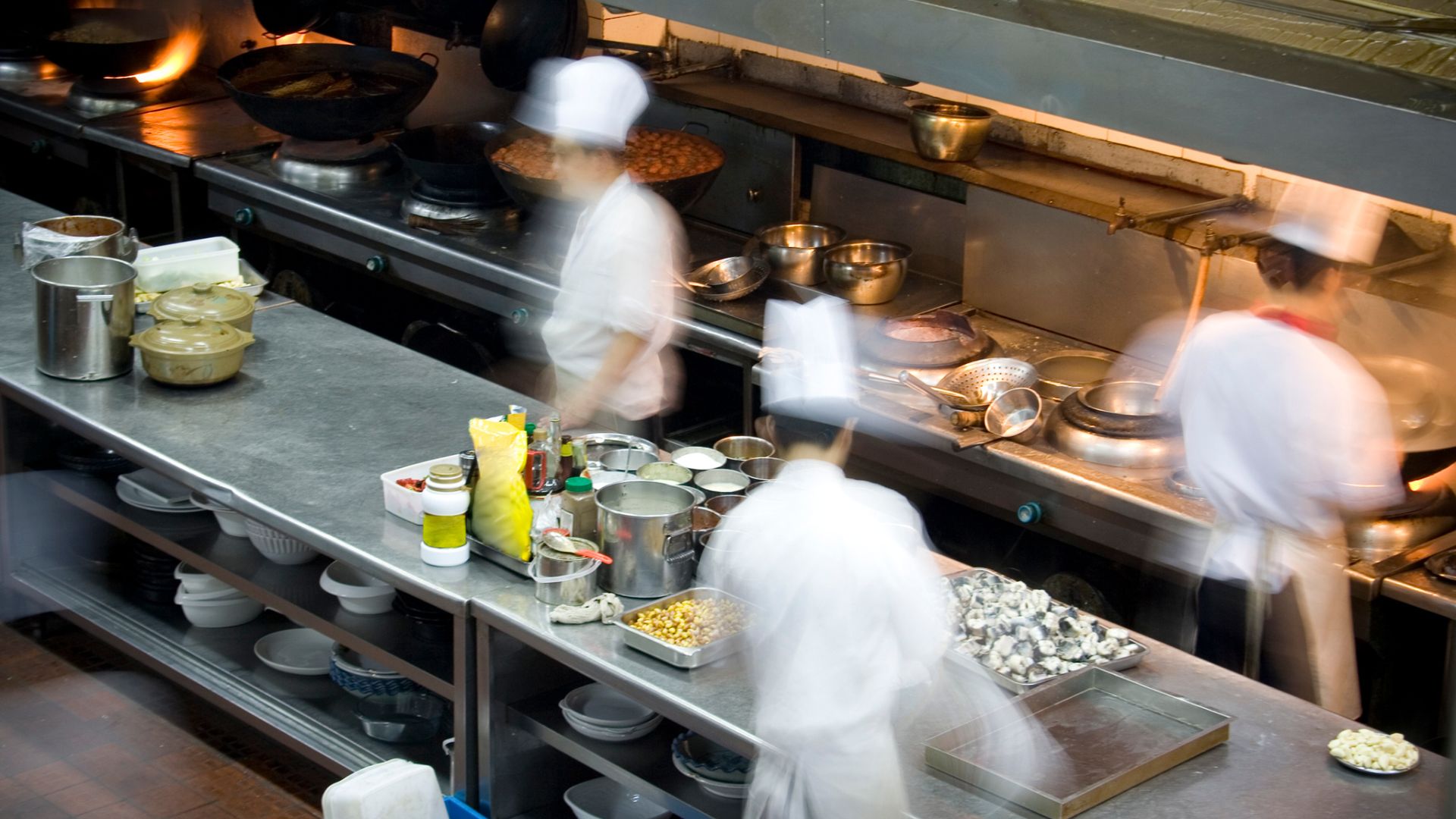
Most restaurant owners assume peak hours are when they make the most money. In reality, these are often the moments when restaurants quietly lose revenue.
Not because customers stop coming in, but because operations become strained. Many restaurant owners focus on increasing sales through promotions or price adjustments. However, some of the biggest revenue opportunities come from improving what already happens during your busiest hours. Let's look at where revenue is commonly lost during peak hours — and what can be done to prevent it.
1. Customers Wait Too Long to Place Orders
When a restaurant gets busy, ordering is often the first process to slow down.
Imagine this: Servers are managing multiple tables. Guests are waiting for attention. New customers are still being seated. As ordering slows down, so does revenue.
When customers wait too long, they are more likely to skip high-margin items like appetizers or drinks. Maybe they'll order less because they feel frustrated with their dining experience.
The result? Lower average order values during the very hours that should be generating the most sales.
2. Staff Become Overwhelmed
Peak periods place significant pressure on restaurant teams. Servers juggle more tables, kitchen staff manage larger ticket volumes, and managers spend more time resolving issues. As demand increases, consistency often suffers.
When staff are stretched too thin, they may miss upsell opportunities, team communication breaks down, and they make small mistakes that become bigger problems.
Even experienced teams can struggle when demand exceeds capacity.
3. Order Errors Increase Under Pressure
Busy environments naturally increase the likelihood of mistakes.
Orders may be entered incorrectly, modifications may be missed, and kitchen communication may become unclear.
These errors create hidden costs through food waste from remakes, longer wait times, lower customer satisfaction, and reduced repeat business.
Each mistake affects more than the current table. It impacts profitability and customer loyalty.
4. Table Turnover Slows Down
Peak hours should allow restaurants to serve more customers in less time.
However, delays at every stage of service can significantly extend dining times. Think of how long your customer is waiting to order, how long they wait for food, and how long they wait for the bill.
Just a few extra minutes per table can reduce the total number of customers served during the day's busiest periods.
5. Customers Spend Less When Service Feels Chaotic
Customer spending behavior is heavily influenced by the dining experience.
When service feels rushed, delayed, or disorganized, guests tend to simplify their orders. Instead of exploring the menu, they focus only on what feels necessary. This often means fewer appetizers, fewer drinks, skipped desserts. While these items can increase revenue, they also play a key role in creating a complete dining experience. They turn a meal into an occasion and help guests fully enjoy what your restaurant has to offer.
Revenue loss rarely appears as a single obvious problem — it accumulates through small missed opportunities.
The Hidden Cost of Peak-Hour Inefficiencies
The biggest challenge is that revenue loss rarely appears as a single obvious problem.
Instead, it accumulates through small missed opportunities: a forgotten upsell, a delayed order that affected satisfaction, a customer who chose not to return. Individually, these issues seem minor. Collectively, they can have a significant impact on profitability.
For smart restaurant owners looking to boost restaurant sales, identifying and eliminating these small points of friction is often more effective than increasing prices or running more promotions.
How to Stop Revenue Loss During Peak Hours
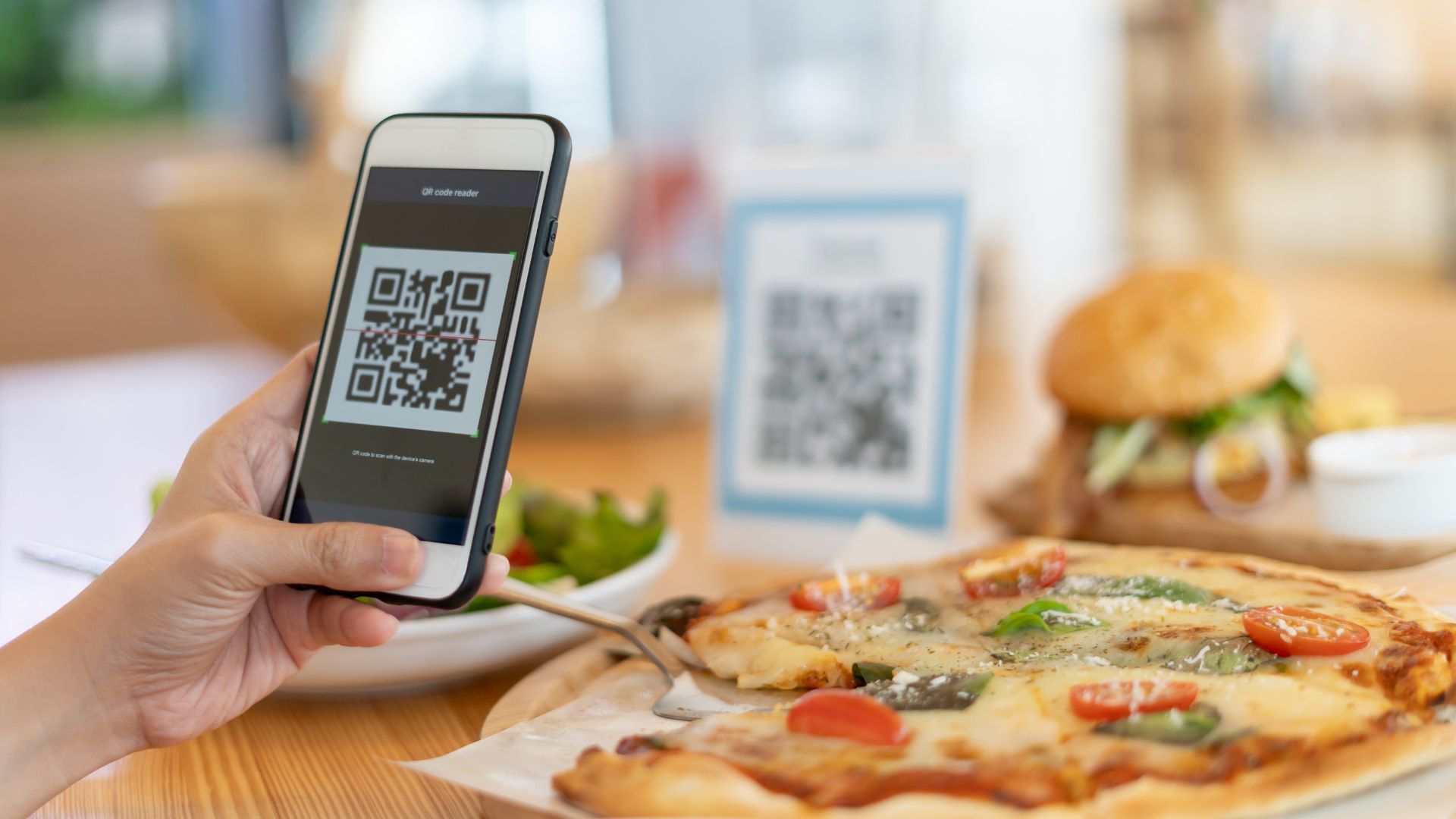
The solution isn't always hiring more staff or raising prices. Often, it's about removing friction from the customer journey.
Restaurants that perform well during busy periods typically focus on three areas:
Faster Ordering
The longer customers wait to place an order, the greater the risk of lost sales.
Many restaurants are reducing wait times with a QR code or digital menu, allowing guests to browse the menu and order as soon as they're ready. By removing the need to wait for staff availability, restaurants can serve more customers while increasing average order values and table turnover.
Better Order Accuracy
Order mistakes create unnecessary costs through food waste, remakes, and customer dissatisfaction.
A digital ordering system combined with a reliable order management system helps ensure orders are captured accurately and communicated clearly to the kitchen. This reduces errors, improves efficiency, and creates a better guest experience.
Smoother Service Flow
Peak-hour success depends on how well the entire operation works together.
Modern restaurant digital systems can help streamline communication between front-of-house staff, kitchen teams, and payment processing. When information flows smoothly, restaurants can handle higher volumes without sacrificing service quality.
You run the business. Table Buddy runs the orders.
Speed up the service with Table Buddy, the QR ordering system built for Philippine restaurants and cafés.
- — Scan. Order. Pay. All from the table.
- — Orders go straight to the kitchen.
- — Fewer order errors, faster table turns.
- — Built by Filipinos, for PH restaurants and cafés.
Focus on Efficiency, Not Pressure
Peak hours aren't the problem. Operational friction is.
The restaurants that successfully boost restaurant sales during busy periods aren't necessarily the ones with the largest teams or the highest menu prices. They're the ones that make ordering simple, reduce delays, and create a seamless experience from menu browsing to payment.
Whether through a QR menu, a restaurant management system, or more efficient service processes, the goal is the same: remove friction from the customer journey.
When customers can order quickly, receive accurate service, and enjoy a smooth dining experience, they naturally spend more, wait less, and are far more likely to return.